
Closing a boardwalk from the operations command centre can save lives during a storm
A riverside boardwalk more than 30 minutes from the operations command used to demand constant on-site checks. Now a flood sensor raises the alert, and the alert closes the boardwalk.
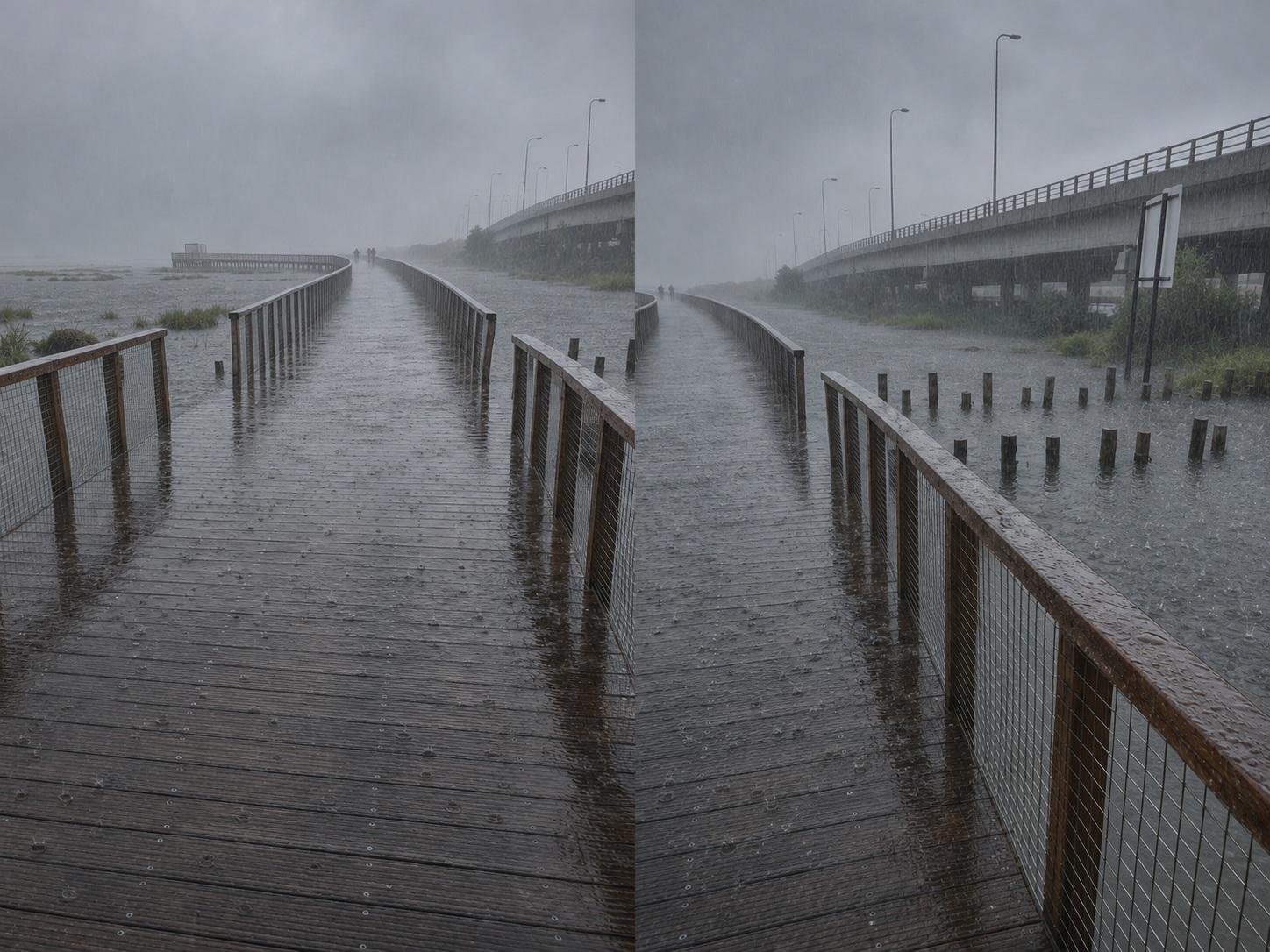
The challenge
Loures is a large municipality, with monitoring points more than half an hour from the Civil Protection Operations Command. One of them is a boardwalk on the bank of the Tagus, exposed whenever the river rises. Checking it in person, again and again, was a heavy operational burden that pulled resources away from emergency response in critical moments.
How can we know whenever pedestrian infrastructure is at risk, and close it when the danger to users is highest?
What we deployed
A flood sensor installed on the boardwalk detects the moment just before the structure starts to go under water and alerts Civil Protection in real time. This information allows for a more effective and efficient emergency response.
What changed
Teams now only travel to the boardwalk when an alert is issued, and that alert immediately triggers the closure of access to the area. The time the sensor stays submerged also gives Civil Protection a much clearer picture of how the site floods.
- Operational efficiency
- Improved hydraulic intelligence
Why it matters
A submerged boardwalk is hard to judge from a distance: the water can look shallow while the deck underneath is already slippery or hidden. Closing it at the right moment protects walkers and cyclists, and every check that no longer has to be made in person is an hour a team can spend where an emergency is actually happening.
- People walking onto a submerged boardwalk
- Hour-long round trips just to check the water
- Response teams tied up away from real emergencies
GET A FLOOD-RISK ASSESSMENT FOR YOUR CITY
Tell us about your city — we'll send back a 1-page readiness brief and schedule a technical call.